News list
Why Does Thermoplastic Road Marking Require Heating? Understanding the Application Logic of Thermoplastic Markings Through Material Conditions
News list
Why Does Thermoplastic Road Marking Require Heating? Understanding the Application Logic of Thermoplastic Markings Through Material Conditions
Why Does Thermoplastic Road Marking Require Heating? Understanding the Application Logic of Thermoplastic Markings Through Material Conditions
Release time:2026-08-26
Share:


For many people who have never been involved in road marking work, one obvious difference they notice when first seeing thermoplastic road marking construction is that workers do not simply open a container of paint and apply it directly. Instead, the material needs to be heated in advance. Thermoplastic preheaters and other equipment are commonly seen at road marking jobsites, where the material goes through a corresponding melting process before entering the subsequent marking operation.
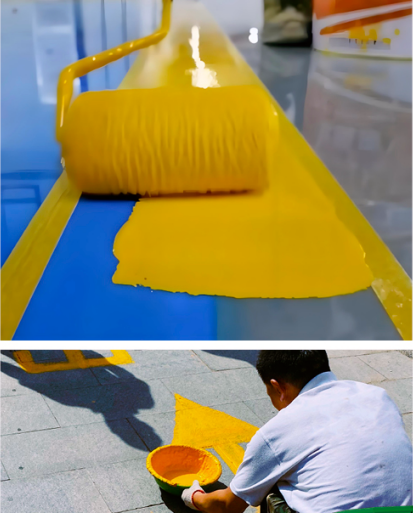
The reason lies in the application method of thermoplastic road marking paint itself. The material needs to reach a suitable application condition before it can be applied to the pavement using appropriate equipment, and then form the road marking during the subsequent cooling process. Therefore, from material preparation to final formation, temperature and material condition are both factors that need to be considered during thermoplastic road marking application.
For this reason, thermoplastic road marking cannot be understood only from the perspective of the “paint” itself. The material ultimately needs to be applied to the road through construction equipment and onsite procedures, and there is a close relationship between material performance and the application process.
From the beginning of the melting process to entering the road marking equipment, thermoplastic material goes through material preparation, heating, heat preservation, and subsequent application. Construction personnel need to maintain the material in a suitable application condition according to its characteristics and the actual jobsite situation. If the construction process only focuses on whether the equipment can discharge the material normally while ignoring the actual condition of the material itself, the final road marking may be affected.
Road construction environments are not fixed laboratory environments. In summer, pavement temperatures may become relatively high after prolonged exposure to sunlight, while road conditions during low-temperature seasons are significantly different. Different humidity levels and pavement conditions may also be encountered during construction. Therefore, even when the same material is used, actual site conditions and seasonal conditions still need to be considered.
This is also why road marking material production and road construction cannot be completely separated. In addition to understanding the product itself, contractors also need to understand the corresponding application method and the onsite conditions that should be considered.
A road marking ultimately needs to form a suitable bond with the pavement, so the condition of the pavement itself is also a very important part of the entire construction process. If there is obvious dust, moisture, oil, or other contaminants in the application area, subsequent construction may be affected. Newly paved asphalt pavement, aged pavement that has been in use for many years, and concrete pavement also have different actual surface conditions and need to be evaluated and treated according to onsite conditions before construction.
When people observe road marking work, they often focus on the white or yellow line formed after the road marking equipment passes. However, part of what affects the final result actually takes place before the marking operation begins. Pavement cleaning, confirmation of the construction area, material preparation, and equipment adjustment are all part of the complete construction process.
Therefore, when road markings later show abnormal wear, local cracking, or peeling, it is not appropriate to immediately conclude that there is a problem with the material based only on the surface appearance. A more reasonable approach is to evaluate the material usage, pavement condition, construction process, and subsequent traffic environment together.
Although thermoplastic material is a relatively common type of road marking material, it is not the only option available. Depending on road projects and construction requirements, two-component road marking paint, water-based road marking paint, solvent-based road marking paint, and other material systems may also be used. These are also among the road marking material categories identified in TATU Highway Group's official English information.
Different materials have different application methods and suitable conditions. Therefore, before selecting a material, contractors should first understand the project itself. Is the project on a highway or an urban road? What is the current pavement condition? What is the local construction environment? What technical requirements does the project have? What construction equipment will be used? Once this information has been clarified, selecting the appropriate material system is usually more reasonable than simply comparing product prices.
The same principle also applies when analyzing problems with road markings. Materials, construction, pavement conditions, and the actual traffic environment are interconnected, and none of these factors should be considered completely independently.
Road marking materials are not products designed to remain in a warehouse. They need to be applied to actual roads and withstand traffic and environmental changes over a long period of time. Therefore, for contractors, selecting the right material is only the first step of the entire project. How the material is correctly used afterward is equally important.
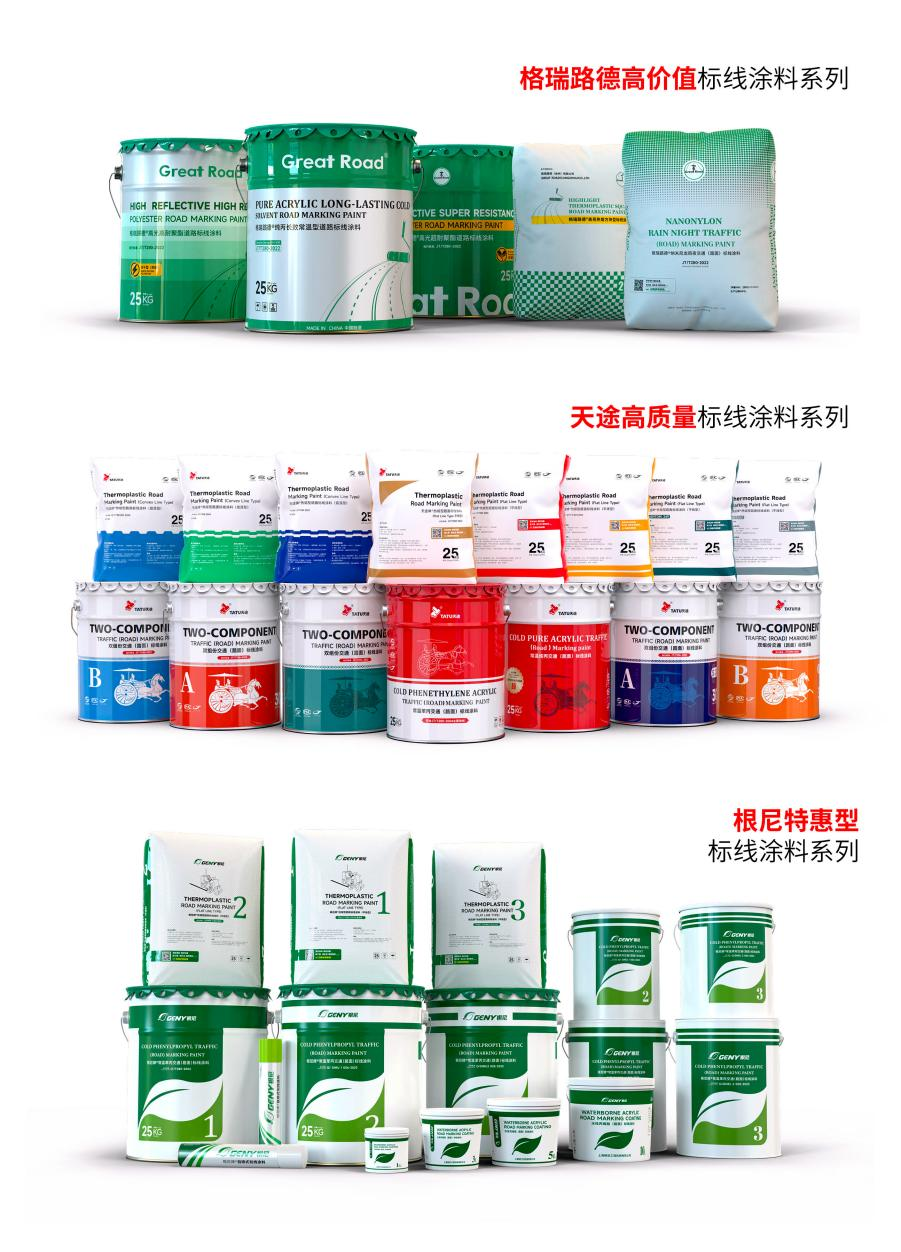
TATU Coatings provides thermoplastic, two-component, water-based, solvent-based, and other road marking material systems. When selecting materials for actual projects, road conditions, construction requirements, and project needs should still be considered comprehensively. Rather than looking for a material that is supposedly “suitable for every road,” it is more practical to select a material system that matches the specific road and construction process. The official English website identifies TATU Coatings as the Group's road marking materials brand.
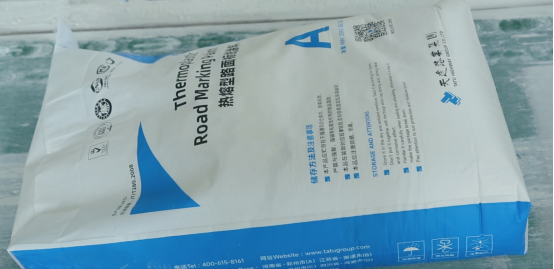
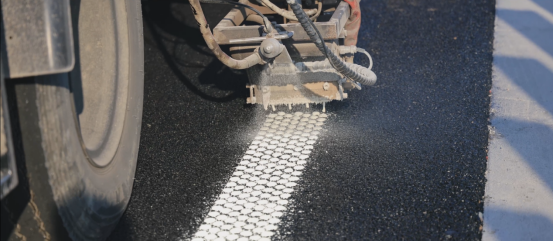
From the moment a bag of material enters the construction site to the moment it becomes a white or yellow line on the pavement, the process involves material condition, construction equipment, pavement environment, and construction personnel. Understanding this process can also help contractors better understand road marking materials and avoid simply attributing every construction problem to a single factor.
Related Reading
Why Do Road Markings Peel Off? Common Factors from Pavement Condition to Material Application
2026-09-01

Why do road markings appear brighter at night? How do glass beads and road marking paint work together?
2026-08-28
Don’t Be Fooled by Cheap Road Marking Coatings: Beware of Hidden Maintenance Costs
2026-08-06